BITCOIN ATM NEAR ME
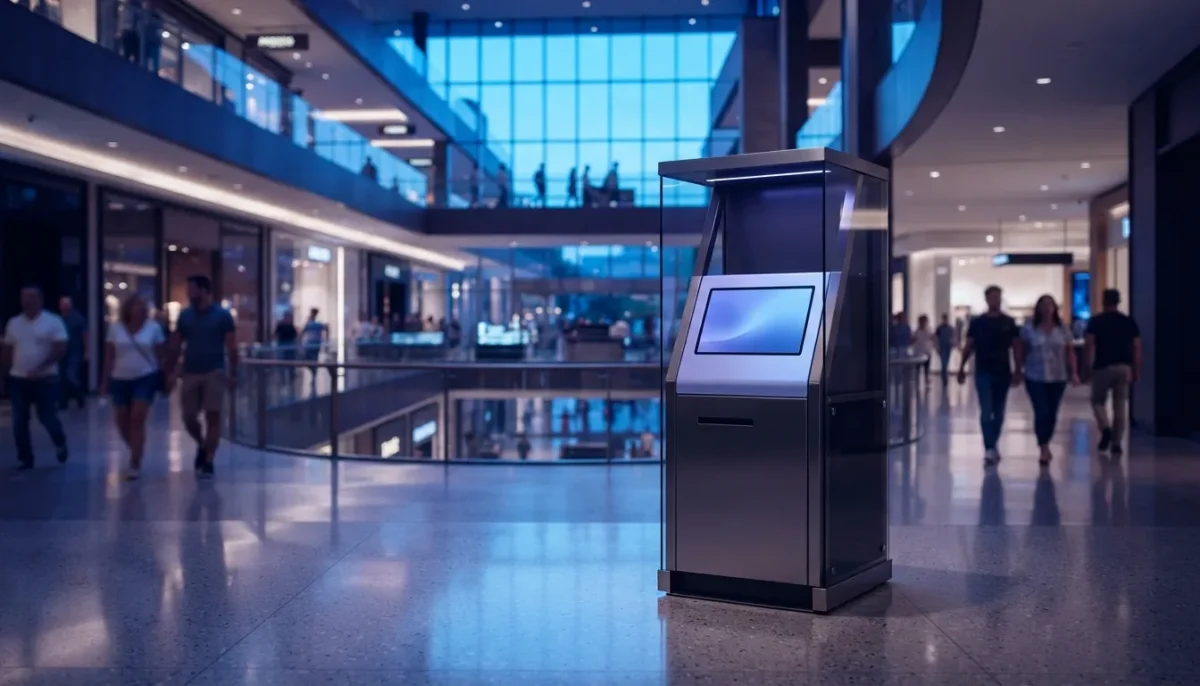
To find a Bitcoin ATM near you, search the map below or the locator of a Bitcoin ATM operator, then check the fee on the screen before you insert any cash. Fees are often far higher than at a bank ATM, and the FTC warns that these machines are a common tool in scams. If anyone you don’t know in person told you to go to one, stop and read the warnings further down.
Looking for a regular cash machine instead? Our ATM near me hub covers every bank. Related: Allpoint ATM Near Me
What a Bitcoin ATM is
A Bitcoin ATM (BATM) is a kiosk where you pay cash and receive bitcoin in a crypto wallet. Some machines work both ways and pay out cash when you send bitcoin, but many are buy-only. Unlike your bank’s ATM, it is run by a crypto company, not a bank, so your bank’s protections don’t apply in the same way.
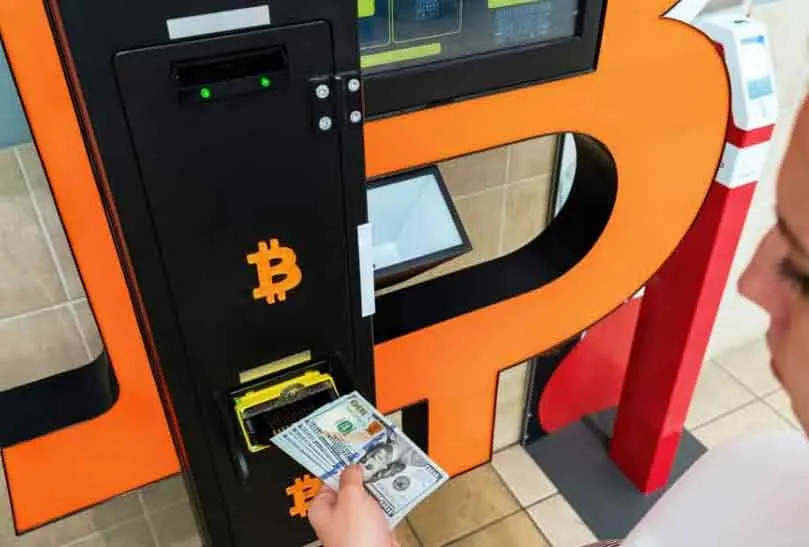
How to use one, step by step
- Pick a machine and read the fee and exchange rate shown on screen.
- Enter your phone number or ID if the machine asks for verification.
- Scan the QR code of your own wallet. Never scan a code someone sent you.
- Insert the cash. The amount converts to bitcoin at the machine’s rate, not the market rate.
- Confirm and keep the receipt. A transaction usually takes a few minutes, longer if the network is busy.
To sell, you send bitcoin to the address the machine shows and collect the cash. Only some machines offer this.
No wallet yet? Some machines will help you create one, but set up a wallet on your own phone first and write down the recovery phrase offline. For the live bitcoin price, you can compare with coinmarketcap.com; general background is at bitcoin.com.
Fees and daily limits
The fee is usually built into the exchange rate, so you won’t see a neat “fee” line. Compare the machine’s price per bitcoin with the market price and you’ll see the gap.
Published estimates vary a lot. Some guides we checked in November 2026 put typical fees at 6% to 12%, others at 10% to 25% or more. Treat every figure as a rough range: only the screen on the machine tells you your real cost.
A quick example, using made-up round numbers for illustration (November 2026): if you put in $500 and the machine’s markup is 15%, you get roughly $425 worth of bitcoin. A bank ATM surcharge on the same cash would be a few dollars.
Daily limits depend on the operator, the state and how much verification you complete. Reported limits run from about $1,000 to $25,000 a day, and several states have set lower caps for new customers. Confirm the limit with the operator or your state financial regulator. Limits at bank machines work differently; see our guide to daily ATM withdrawal limits.
FTC scam warnings about Bitcoin ATMs
The FTC says Bitcoin ATMs have become a payment route for scammers. Its 2024 data spotlight reported:
- Reported losses rose from about $12 million in 2020 to $114 million in 2023.
- In the first half of 2024, reported losses topped $65 million, with a median loss of about $10,000.
- People 60 and over accounted for roughly 71% of those losses in that period.
These are the most recent FTC figures we found as of November 2026. The FTC notes that many cases go unreported, so the real total is higher.
The pattern is nearly always the same. Someone claiming to be a government agency, your bank, a business or tech support says your money is in danger, or you owe a payment. Then they send you to a Bitcoin ATM with a QR code.
The FTC’s advice is blunt: a real business or government agency will never tell you to pay with a Bitcoin ATM, buy gift cards, or move your money to “protect” it.
- Hang up on anyone who stays on the phone with you while you go to the machine.
- Never scan a QR code or type a wallet address that someone else gave you.
- Bitcoin sent to a scammer’s wallet is almost impossible to get back.
- If you already sent money, contact the ATM operator right away (the number is on the machine) and report it at ReportFraud.ftc.gov.
Crypto prices swing and you can lose money on a purchase even without a scam. This page is general information, not financial advice.
Also check the machine itself. The same ten-second check applies as at any cash machine; see how to spot an ATM skimmer.
Open 24/7, but not always private
Many Bitcoin ATMs sit in convenience stores, gas stations and malls, so they are usually available during the host store’s hours, which can mean 24/7. That doesn’t mean they’re anonymous. Many operators ask for a phone number or photo ID, and your wallet address is tied to the transaction record.
To find a machine, use the map on this page or an operator’s online locator. They show addresses and often whether a machine is working and whether it buys, sells or both. If you’re not sure the machine is open, call the store.